Training doesn’t stop at the session – here’s how to make it stick
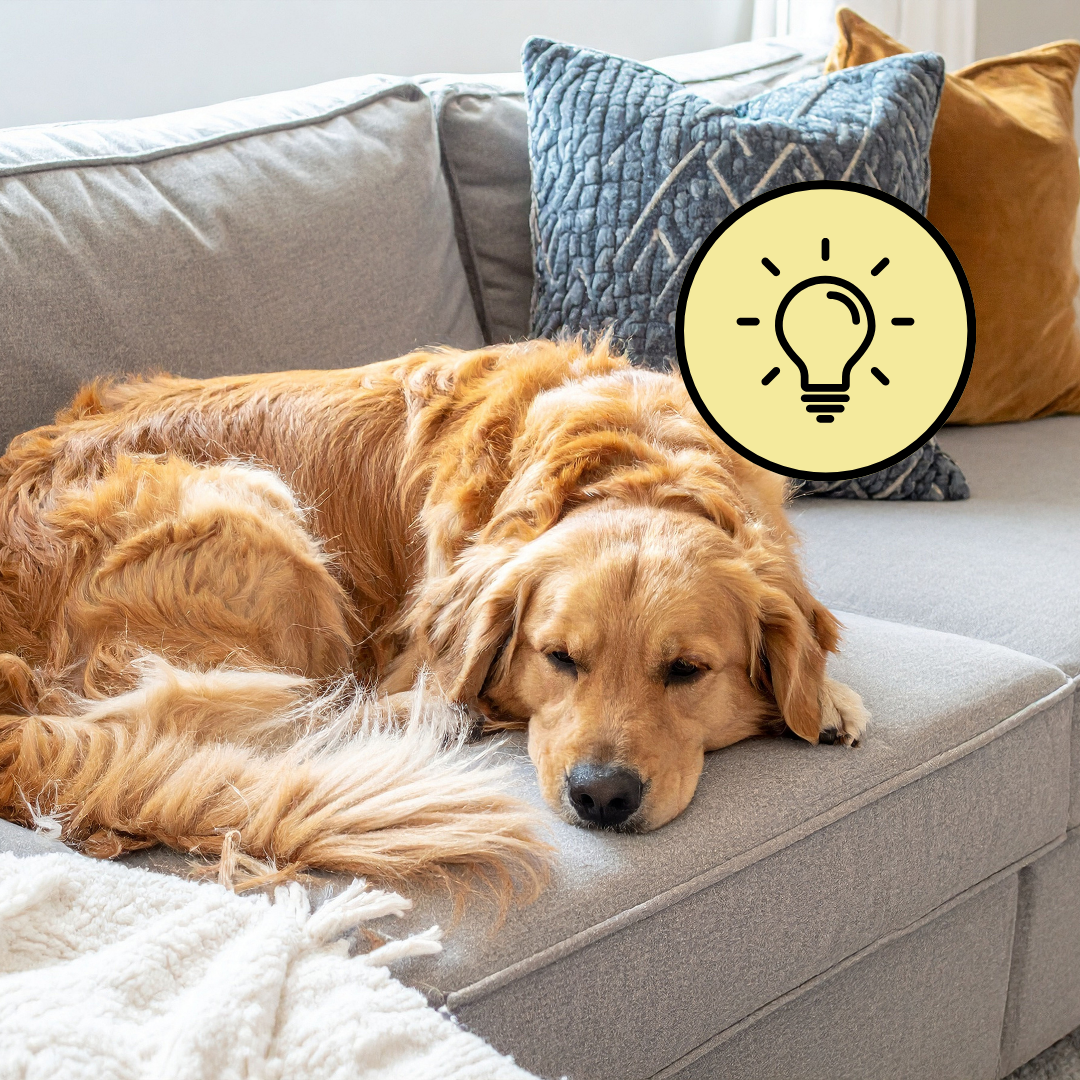
Achieved great results in a dog training session but it disappears the moment you're home?
You're not alone – and it's not a sign you've done anything wrong. This month on the Lab Report, we're unpacking why cues don't always transfer straight away, and sharing simple, everyday ways to help new skills stick well beyond the training session.
If you’ve ever finished a great training session with your doggo, felt like you’ve nailed it – and then watched them completely ignore ‘sit’ the next morning at the front door, you’re not alone. It’s one of the most common things we hear from clients: ‘They’re so good with you, but at home it’s like they’ve never heard the cue before.’
The good news? Your dog isn’t being stubborn, and you haven’t done anything wrong. This is just how dogs learn.
Why training doesn’t automatically transfer
Dogs are brilliant at reading context – sometimes too brilliant. A cue learned in the lounge room, with you standing a certain way, treats in your left hand, doesn’t automatically mean the same thing at the front door, on a windy footpath, or when the doorbell rings. To your dog, these can feel like entirely different situations.
This is called generalisation, and it’s something every dog needs help with. It’s not a sign your dog is untrainable – it’s simply the next step in the process.
Small, everyday moments matter more than big sessions
You don’t need a dedicated 20-minute block every day to build reliable behaviours. In fact, short, frequent moments woven into daily life tend to work better than long formal sessions. A few ideas:
ask for a sit before you clip the lead on, not just during ‘training time’
practise a hand target while you’re waiting for the kettle to boil
reward calm behaviour when visitors arrive, rather than only working on it in a quiet room.
These tiny repetitions, spread across the day and across different rooms and situations, are what actually build a behaviour that holds up in real life.
Make real life the reward
One of the biggest shifts you can make at home is using everyday privileges as reinforcement, not just treats. Access to the backyard, permission to jump on the couch, having the lead clipped on for a walk – these are all things your dog wants, and you can ask for a little polite behaviour before they happen.
This does two things: it reduces your reliance on food rewards over time, and it teaches your dog that good manners are what open doors (sometimes literally) throughout the day, not just during a training session.
Get everyone in the house on the same page
Dogs notice inconsistency fast. If one person lets the dog jump up for a greeting and another asks for four paws on the floor first, your dog is left guessing. Take a few minutes as a household to agree on:
the cues you’re using, and what they mean
if and when you allow your dog on the furniture
how everyone responds to jumping, barking or pulling.
Consistency doesn’t mean everyone has to be a perfect trainer. It just means the rules make sense to your dog, no matter who’s home.
It’s okay if it feels slow
If you’re in the thick of it and it doesn’t feel like it’s sticking yet, that’s a completely normal part of the process – not a sign you’re doing it wrong. Every short, everyday repetition is quietly building toward a dog who responds reliably, not just in the training room but out in the world with you.
If you’d like a hand troubleshooting how a specific behaviour is going at home, that’s exactly what our in-home sessions are for – we can work through it in the space where it actually needs to happen.