Finding the right positive reinforcement dog trainer
A guide for you and your best friend
Training should strengthen your bond, not break your dog’s trust. If you’re searching for a force‑free or positive reinforcement dog trainer, this guide will help you find someone who leads with empathy, science and heart.
Bringing a dog into your life is a big decision. Suddenly, there’s this little heartbeat following you around, watching you, learning from you, trusting you. And because you love them, you want to give them the best start - or the best fresh start - you can.
That’s where a good dog trainer comes in. But not just any trainer. You want someone who treats your dog with the same kindness, patience and respect you do. Someone who understands that learning should feel safe. Someone who knows that behaviour is communication, not defiance.
Choosing a positive‑reinforcement, force‑free trainer is one of the most important decisions you’ll make for your dog’s wellbeing. Here’s how to find one who honours both your dog’s heart and yours.
Start with the philosophy: Kindness first
Positive reinforcement isn’t a trend. It’s a science‑backed, humane approach that teaches dogs what to do instead of punishing them for getting it wrong. Force‑free trainers avoid fear, intimidation, pain, and coercion.
A good trainer will talk openly about:
reward‑based learning
building trust and confidence
understanding emotions behind behaviour
avoiding tools like prong collars, shock collars, leash corrections or intimidation.
If a trainer ever says things like ‘your dog is being dominant,’ ‘they’re trying to control you,’ or ‘they need to be put in their place,’ that’s a red flag. Modern trainers don’t rely on outdated dominance theory.
Look for transparency and curiosity
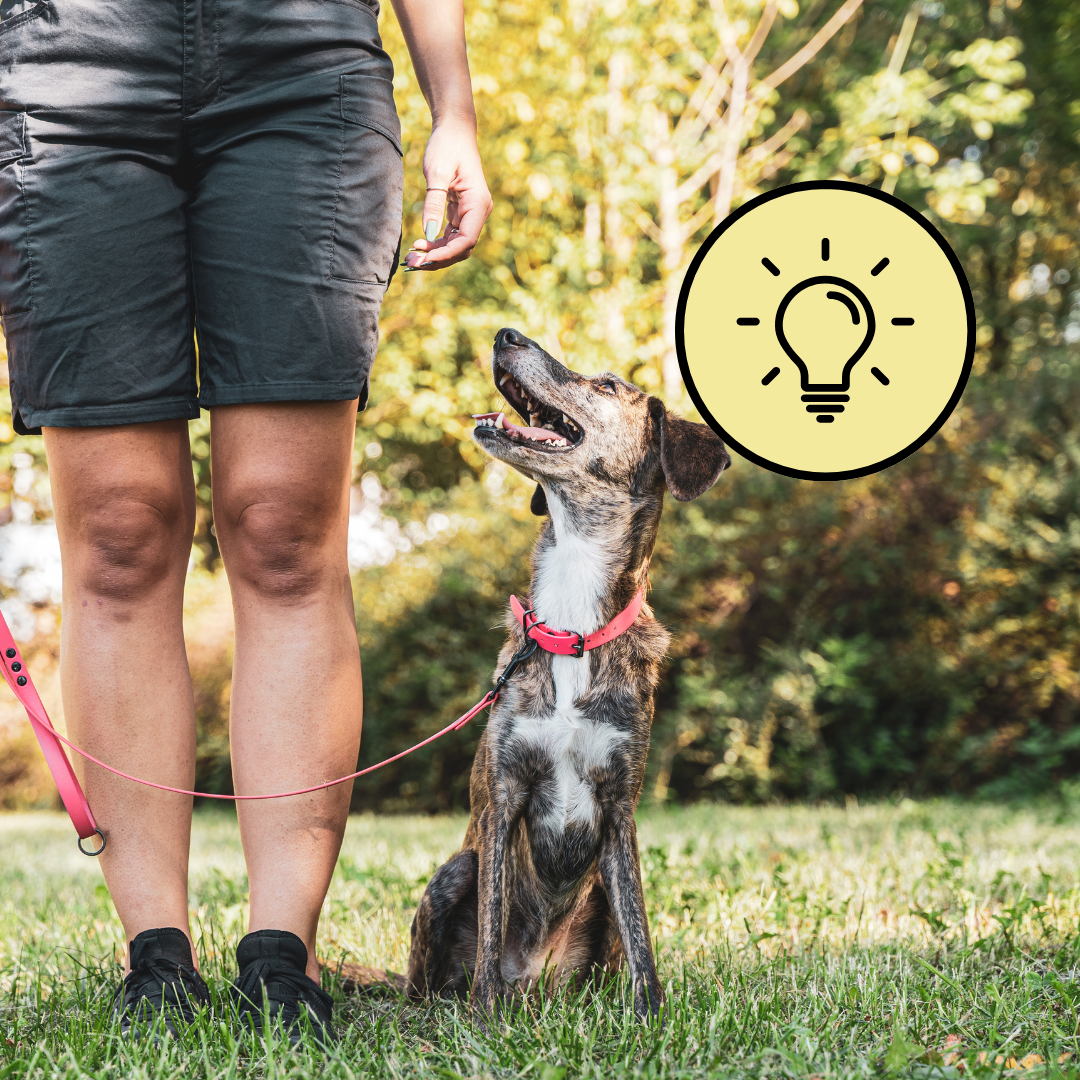
A great trainer isn’t just teaching your dog - they’re teaching you. They’ll explain the ‘why’ behind every exercise. They’ll welcome your questions. They’ll celebrate your dog’s wins with you and help you navigate the tricky moments without shame or judgment.
Ask trainers:
What methods do you use?
How do you handle unwanted behaviours?
What tools do you avoid, and why?
How do you help anxious or fearful dogs?
Their answers should feel calm, confident and compassionate.
Watch how they interact with dogs
You can tell a lot about a trainer by how dogs respond to them. Look for:
soft body language
gentle voice
respect for the dog’s space
willingness to slow down
joy - real, tail‑wagging joy
A dog doesn’t need to be instantly comfortable with a trainer (especially if they’re shy), but they should never look frightened or shut down.
Check their qualifications and also their values
Certifications matter. Look for trainers aligned with reputable organisations and those that continue to educate themselves.
But remember: credentials are only part of the picture. A trainer’s values, empathy, and communication style matter just as much. You’re choosing a partner in your dog’s learning journey, not just a service provider.
Trust your gut (it’s usually right)
You know your dog better than anyone. If something feels off - if the trainer rushes your dog, dismisses your concerns, or uses language that makes you uneasy - listen to that feeling.
A good trainer will make both of you feel safe. You should feel supported, not judged. Your dog should feel encouraged, not pressured.
Remember: Training should strengthen your bond
At its core, positive reinforcement training is about connection. It’s about helping your dog understand the world in a way that feels safe and predictable. It’s about building trust so deep that your dog looks to you not out of fear, but out of love.
The right trainer will help you grow that bond, not override it.
You and your dog deserve a trainer who sees the whole picture
Choosing a force‑free trainer isn’t just about teaching sit, stay, or come. It’s about choosing someone who honours your dog’s emotional wellbeing. Someone who understands that behaviour is shaped by environment, genetics, stress, and experience, not stubbornness.
When you find the right trainer, you’ll feel it. Your dog will feel it too. And together, you’ll build a relationship rooted in trust, joy, and mutual understanding.
Training where real life happens
One of the most powerful choices you can make for your dog is working with a trainer who meets you where the behaviour actually occurs. Real‑life behaviour doesn’t happen in a spotless training headquarters or a perfectly controlled classroom, it happens at your front door when guests arrive, on the footpath when another dog passes, or in the living room when the doorbell rings. A trainer who’s willing to step into your dog’s everyday environment is choosing to understand the full picture: the sights, sounds, smells and stressors that shape your dog’s reactions.
Just as importantly, you should never feel pressured into buying a package before you’ve had the chance to see whether the trainer’s approach truly aligns with your values. A good force‑free trainer knows that trust takes time. They’ll give you space to ask questions, observe their methods, and make sure their communication style feels supportive rather than sales‑driven. Training is a relationship, not a transaction - and the right trainer will honour that by focusing on your dog’s wellbeing, not on locking you into a commitment.