Enjoy the walk again: Practical tips for loose lead walking
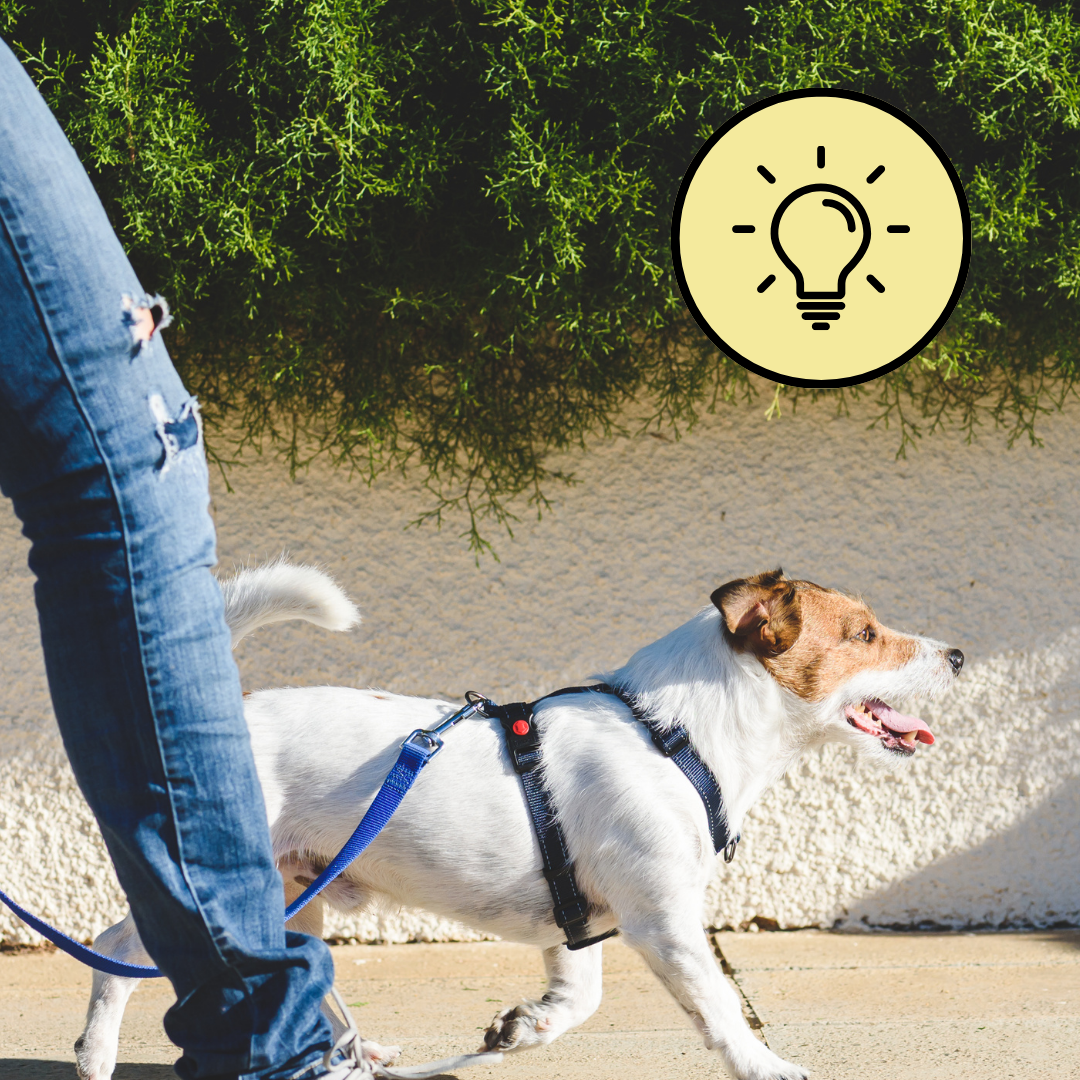
Gentle, force-free tips to turn the daily tug-of-war into a walk you both look forward to.
If every outing has become a battle of wills, with you braced at one end of the lead and your dog hauling at the other, you’re in the right place.
Loose lead walking is one of the most fixable challenges there is. Here are our practical, force-free tips to help you both enjoy the walk again.
Walking your dog should be one of the simplest joys of pet ownership as it’s a chance to unwind, explore and connect. But for many Australian dog owners, it feels more like being dragged down the street by a four‑legged freight train. If that sounds familiar, you’re definitely not alone. Leash pulling is one of the most common challenges dog owners face, and thankfully, it’s also one of the easiest challenges to fix.
The first thing to know is this: pulling isn’t your dog being stubborn, dominant or naughty. It’s just a behaviour they haven’t learned yet. And with gentle, force‑free training, you can absolutely teach them how to walk calmly by your side.
So… why do dogs pull?
To understand why dogs pull, it helps to step into your dog’s paws for a moment. Dogs naturally move faster than we do, especially energetic breeds like Kelpies, Border Collies, and Cattle Dogs. Add in the excitement of the outside world - smells, sounds, birds, other dogs - and it’s no wonder they surge ahead.
And here’s the kicker: pulling works. If your dog drags you toward the park, and you keep walking, they’ve just learned that pulling gets them what they want. It’s not intentional manipulation; it’s simple cause and effect.
Loose‑lead walking isn’t instinctive. It’s a skill. And like any skill, it needs to be taught.
Why force‑free training makes all the difference
Modern dog training has moved firmly toward positive reinforcement and for good reason. Reward‑based methods build trust, confidence and long‑lasting behaviour change. They help your dog understand what to do, rather than punishing them for getting it wrong.
Force‑based tools like prong collars, choke chains or leash corrections might suppress pulling in the moment, but they often create fear, confusion and even more behavioural issues down the track. A dog who feels safe and understood learns far better than a dog who feels anxious or intimidated.
With force‑free training, your dog learns that staying close to you is rewarding, enjoyable and worth their effort.
Turning chaos into calm: How to teach loose‑lead walking
Instead of thinking of loose‑lead walking as a strict step‑by‑step routine, imagine it as a conversation between you and your dog, one where you’re teaching them that walking beside you is the best place to be.
Start somewhere quiet, like your living room or backyard. If your dog can’t focus there, they won’t magically focus on a busy footpath. Clip on the lead, take a few steps and reward them whenever they’re by your side. You’re laying the groundwork: this spot right here is the sweet spot.
As you move into more distracting environments, bring out the good stuff: chicken, cheese, soft treats or a favourite toy. You’re competing for their attention with the entire world, so make the treat worth their while.
When your dog surges ahead, simply pause. No yanking, no scolding, just stop. The moment they turn back or the lead loosens, reward them and continue. They quickly learn that pulling makes the entertaining journey out in the world stop, but staying close to their owner keeps the adventure going.
If they’re really powering ahead, try changing direction. It encourages them to pay attention to your movement rather than charging forward on autopilot.
And remember: short, successful sessions beat long, frustrating ones. Five to ten minutes of focused practice is plenty.
Avoiding the common pitfalls
Even the most dedicated owners can accidentally reinforce pulling. A few things to watch out for:
letting your dog drag you to the park ’just this once’
using the wrong equipment, like a choker or a chain
holding the lead under constant tension
only practising on real walks instead of in calm spaces
expecting perfect behaviour too quickly.
Loose‑lead walking is a marathon, not a sprint. Consistency is everything.
When your dog is ready for more
Once your dog is cruising along nicely in quiet areas, you can gradually introduce more challenging environments, quiet streets, busier footpaths, parks, beaches and markets. Increase difficulty slowly so your dog stays confident and successful.
High‑energy or working breeds often need extra mental stimulation, sniffing time and decompression walks to help them settle. A calm brain learns far better than an overstimulated one.
The bottom line
Leash pulling doesn’t mean your dog is misbehaving, it simply means they need guidance. With patience, consistency and positive reinforcement, you can turn your daily walks into the peaceful, enjoyable outings you’ve always wanted. Force‑free training doesn’t just fix pulling./ It strengthens your bond and builds a dog who trusts you, listens to you, and loves walking by your side.
Need a hand?
If it feels like your dog is going to pull your arm off every time you head out for a walk together, we’re here to help. And the best part is, we come to you. Our in-home training service means that we can meet you and your dog in the environment where the pulling is taking place. We’ll give you hands-on support with the techniques that create a calm, enjoyable walking experience.