
Is this the puppy blues? What puppy owners need to know
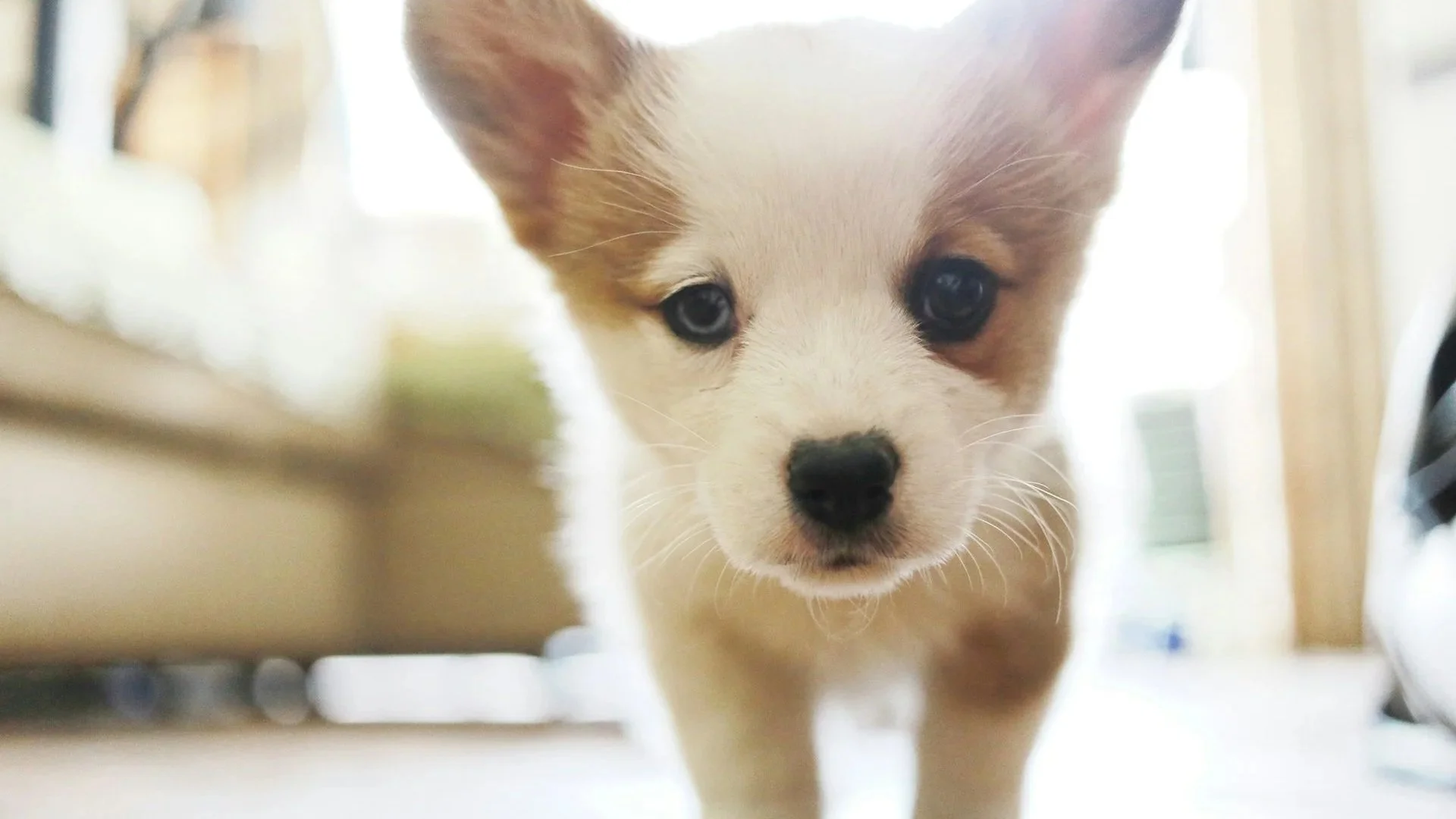
Have you got the puppy blues?
You counted down the days. You bought the toys, the bed, the tiny collar. And then the little rascal came home – and somewhere between the third 3 am wake-up and the fourth puddle on the floor, something shifted. Instead of joy, you felt dread. Instead of love, you felt regret.
If that sounds familiar, we want you to reassure you: you are not a bad dog owner. What you're experiencing even has a name – the puppy blues – and it is far more common than anyone talks about.
It might also help to know that you're not alone. A 2023 survey of over 800 new puppy owners found that nearly 70% reported symptoms of anxiety, depression or both after bringing their dog home. Seventy percent!
Why does this happen?
Puppies are gorgeous. They have soft fur, they offer wonderful, sleepy cuddles, and adorable wagging tails. But bringing a puppy home also includes sleep deprivation, relentless supervision, the sudden loss of your freedom, and the dawning realisation that this small creature will depend on you for the next decade and a half. Even experienced dog owners can be blindsided. The gap between expectation and reality is where the puppy blues live.
Researchers describe it as similar to the baby blues – a real, situational emotional response to a major life upheaval. Feelings of anxiety, irritability, guilt, and overwhelm are all part of the picture. And like the baby blues, it tends to be most intense in the first few weeks, then it gradually eases as a routine takes shape and your bond deepens.
What actually helps?
Stop hiding it. The shame around the puppy blues keeps people stuck. Talk to a friend, join an online community of new dog owners, or simply say out loud: ‘This is hard.’ Naming it takes away some of its power.
Lower the bar for today. You don't need a perfectly trained dog this week. You need to get through today. Celebrate tiny wins – a dry night, a sit on command, five minutes of calm.
Prioritise rest and self-care. Sleep deprivation dramatically worsens anxiety and emotional resilience. Where you can, share the load, nap when the puppy naps, and protect even small pockets of time for yourself.
Get training support – sooner rather than later. This one is transformative. Understanding why your puppy is doing what they're doing, and having practical tools to respond, replaces helplessness with confidence. That shift in feeling can change everything.
How training changes the picture
One of the biggest drivers of the puppy blues is feeling like you have no idea what you're doing. Puppies bite, zoom, ignore you and destroy things – and without context, it just feels relentless, deliberate and personal. Training gives you the context. It helps you read your puppy's behaviour, respond in ways that actually work, and – crucially – start to build a genuine relationship with them.
That relationship is everything. The early weeks are hard, but they are also the foundation. The bond you're building right now, even through the difficult moments, is what becomes the deep, rewarding companionship that makes dog ownership one of life's great joys. It gets better. It really does.
Struggling with your puppy and not sure where to start? We're here to help – with compassion, proven practical guidance and zero judgment.
And we come to you! We can help you train your puppy in your environment, dealing with the issues you’re facing every day.
At the moment, we’re offering a special, 4-session package of in-home training to help you make the most of your dog’s puppyhood. Start early for better behaviour – and a better relationship – over the longer term.